You’re in your 60s, but that doesn’t mean your best years are behind you. Discover how the latest science can help you feel decades younger.
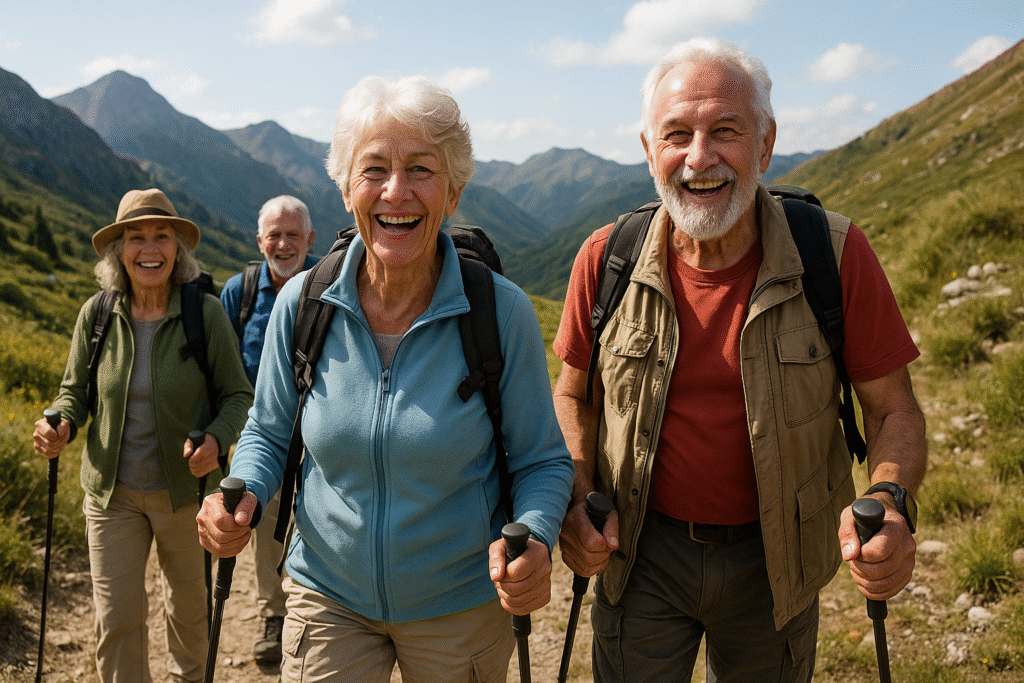
You’re Not “Getting Old”—You’re Getting Wiser About Aging
If you’re reading this in your 60s (or beyond), congratulations! You’ve reached an age where you have the wisdom to take control of your health—and the perfect timing to do something about it.
Here’s what might surprise you: the aches, fatigue, and “senior moments” you’ve been told are “normal aging” aren’t inevitable. Modern science has cracked the code on why we age, and more importantly, how to slow it down dramatically.
I’m not talking about expensive procedures or miracle cures. I’m talking about practical, science-backed strategies that can help you feel 10-20 years younger than your chronological age.
What’s Really Happening Inside Your Body (And Why It Matters)
Think of aging like a car that’s been driven for decades. Just as your car develops wear and tear—rust on the bumper, a less efficient engine, worn brake pads—your body accumulates damage at the cellular level.
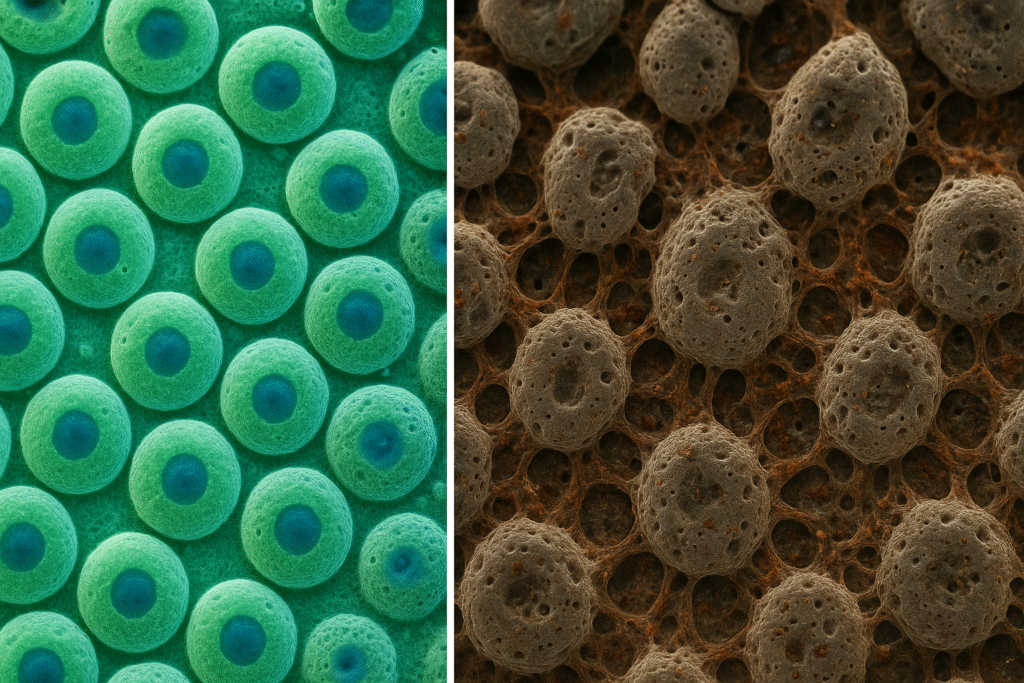
Scientists have identified twelve specific types of “cellular rust” that drive aging: damaged DNA, shortened telomeres (the protective caps on chromosomes), sluggish cellular powerhouses called mitochondria, and “zombie cells” that refuse to die but stop functioning properly ¹.
The revolutionary discovery? This cellular damage isn’t random or unstoppable. It follows predictable patterns that we can interrupt.
Your Secret Weapon Against Aging: Eating Less (But Smarter)
Here’s something that might sound counterintuitive: one of the most powerful things you can do to slow aging is to eat less food overall. But before you panic, let me explain.
The CALERIE Study: Proof That Eating Less Keeps You Young
Scientists recently completed a groundbreaking study called CALERIE, where healthy adults reduced their daily calories by 25% for two years. The results were remarkable: participants aged more slowly at the cellular level, as if they’d found a way to turn back their biological clocks ².
But here’s the good news—you don’t need to cut calories by 25% to see benefits.
Intermittent Fasting: The Easier Path to Longevity
Instead of constant calorie counting, try intermittent fasting. It’s simpler and just as effective ⁴.
The 16:8 Method: Eat all your meals within an 8-hour window (say, 10 AM to 6 PM) and fast for 16 hours. Many people find this surprisingly easy—it’s like skipping breakfast or having an early dinner.
The Mediterranean Approach: Focus on olive oil, fish, vegetables, and whole grains. This naturally reduces calories while providing powerful anti-aging nutrients.
“I started eating this way at 62, and my doctor says my blood work looks like someone 20 years younger,” says Maria, a participant in aging studies.
The Supplements That Actually Work (No Snake Oil Here)
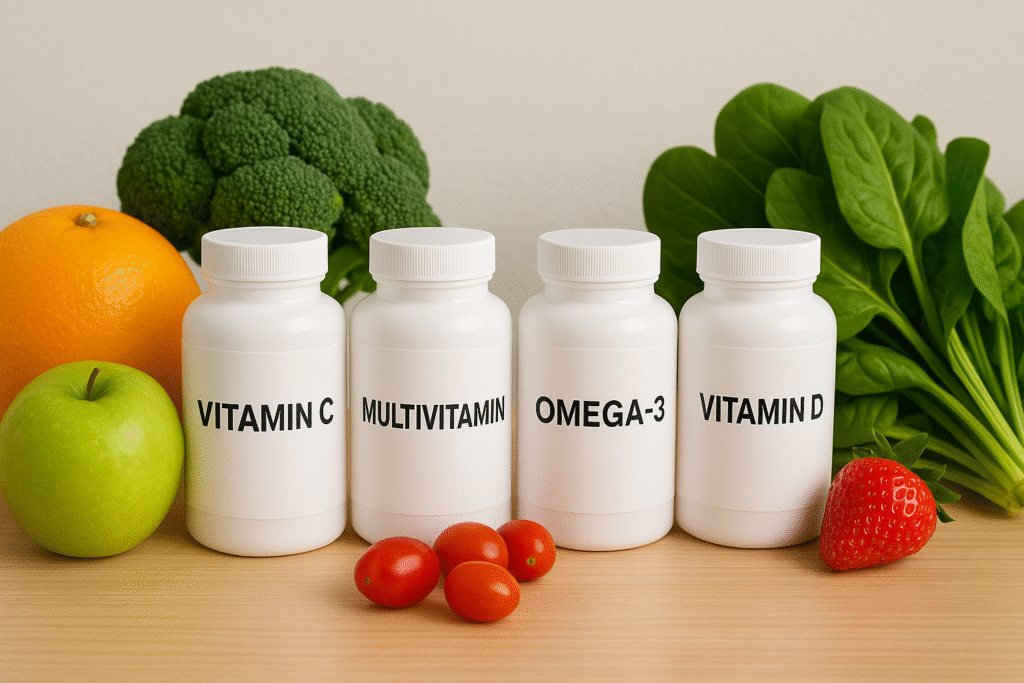
Walk into any health store and you’ll be overwhelmed by anti-aging supplements. Most are marketing hype. But three categories have real science behind them:
NAD+ Boosters: Recharging Your Cellular Batteries
Remember those cellular powerhouses I mentioned? They run on a fuel called NAD+, and by your 60s, you have about half as much as you did in your 20s ⁶.
What to take: NMN (nicotinamide mononucleotide) 500-1000mg daily, or NR (nicotinamide riboside) 300mg daily.
Real talk: These aren’t cheap (expect $50-100/month), but many users report significantly more energy within weeks.
Senolytic Compounds: Cleaning Out Cellular “Junk”
As we age, some cells become like that neighbor who never mows their lawn—they stop working but won’t go away, creating inflammation and dragging down the whole neighborhood.
The solution: Quercetin (500mg) and fisetin (500mg) help clear these “zombie cells” ⁸.
Pro tip: Take these cyclically—two days on, five days off—rather than daily.
Resveratrol: The Red Wine Compound (Without the Hangover)
You’ve probably heard about the “French Paradox”—how French people eat rich food but live long lives, possibly due to red wine. The secret ingredient appears to be resveratrol.
The sweet spot: 75mg daily has shown benefits for heart health, brain function, and bone density in studies of postmenopausal women ⁹.
Sleep: Your Nightly Anti-Aging Treatment
If supplements are like taking vitamins for aging, sleep is like getting a full-body tune-up every night. During deep sleep, your brain literally washes away toxins that contribute to memory problems and cognitive decline ¹⁰.
Why Sleep Gets Harder (And What to Do About It)
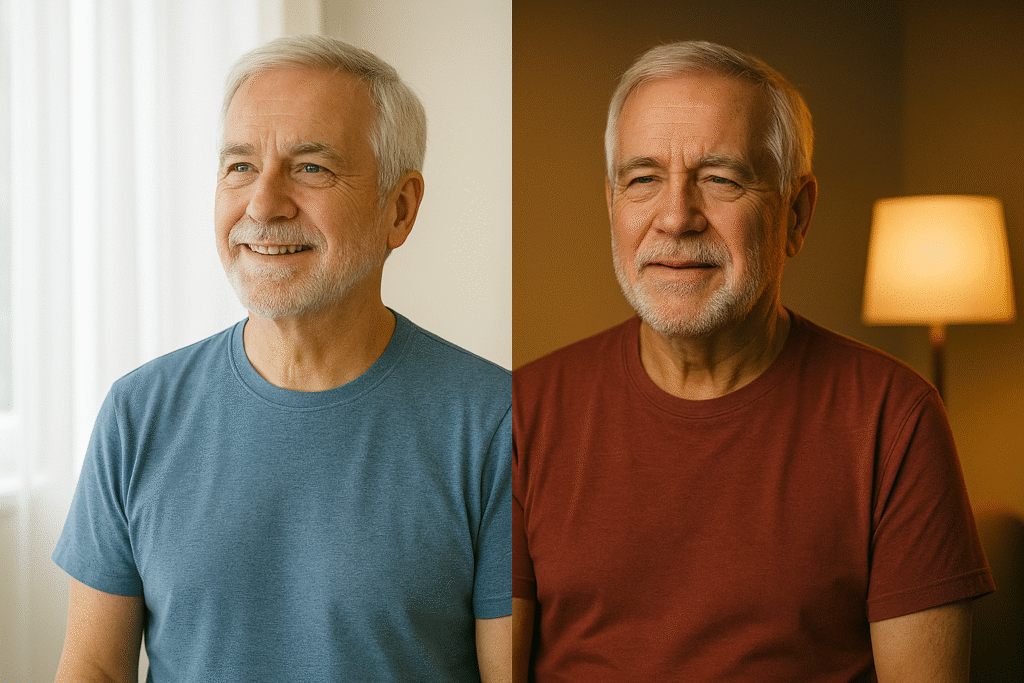
You’ve probably noticed that sleep isn’t as easy as it used to be. You might fall asleep fine but wake up at 3 AM, or feel tired even after 8 hours. This isn’t just “getting older”—it’s fixable.
Your circadian rhythm weakens with age, making you more sensitive to light and schedule disruptions.
The Senior Sleep Solution
Create a cave: Your bedroom should be cool (65-68°F), completely dark, and quiet. Even the little LED light on your alarm clock can disrupt your sleep.
Move your body, calm your mind: A 20-30 minute walk each day dramatically improves sleep quality, especially the deep, restorative sleep that repairs your body ¹².
Timing matters: Try to get bright light exposure in the morning and dim lights after sunset. This helps reset your internal clock.
Exercise: The Fountain of Youth That’s Free
Here’s something remarkable: regular exercise can literally reverse aging at the cellular level. People who exercise regularly have longer telomeres (those protective chromosome caps) and healthier mitochondria ¹³.
The Right Exercise for Your 60s (It’s Not What You Think)
Forget grueling gym sessions. The most effective anti-aging exercise plan is surprisingly gentle:
Walking with purpose: 30 minutes of brisk walking (where you can talk but feel slightly breathless) most days of the week.
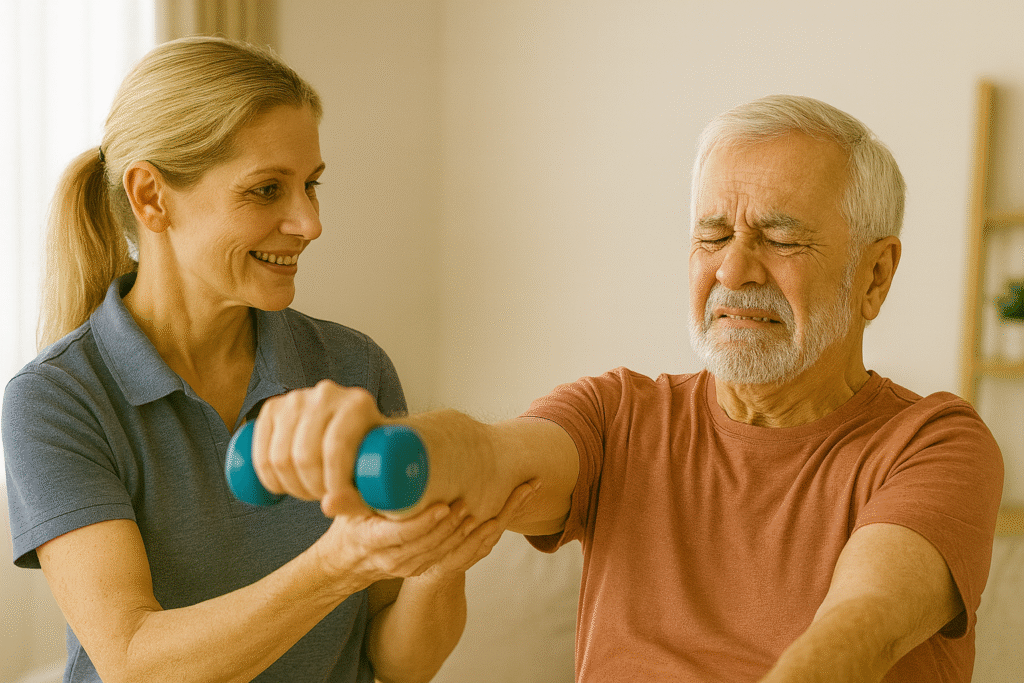
Strength training twice a week: You don’t need heavy weights. Resistance bands, light dumbbells, or even bodyweight exercises preserve muscle mass and bone density ¹⁴.
Balance work: Simple exercises like standing on one foot or gentle yoga prevent falls and maintain independence.
“I started strength training at 65 because my doctor said I was developing osteoporosis. Three years later, my bone density is better than women 20 years younger than me,” shares Janet, 68.
Start Where You Are
Can’t walk 30 minutes? Start with 10. Haven’t exercised in years? Begin with gentle stretching. The goal isn’t to become an athlete—it’s to move consistently.
Managing Stress: Protecting Your Mind and Body
Chronic stress ages you faster than almost anything else. It shortens telomeres, increases inflammation, and disrupts sleep—basically hitting all the aging accelerators at once.
Stress in Your 60s: Different Challenges, Same Solutions
You might be dealing with retirement adjustments, health concerns, or caring for aging parents. These are real stresses that deserve real solutions.
Connection is medicine: Regular social interaction isn’t just nice—it’s essential for longevity. Video calls with grandchildren, coffee with friends, or joining a community group all count.
Mindfulness for beginners: Just 10 minutes of quiet breathing or meditation daily reduces stress hormones. Apps like Calm or Headspace have programs specifically for seniors.
Nature therapy: Spending time outdoors, whether gardening or simply sitting in a park, naturally reduces stress and improves mood.
Creating Your Personal Anti-Aging Plan
Start with One Change
Don’t try to overhaul your entire life overnight. Pick one strategy that feels manageable:
- Week 1: Improve your sleep environment
- Week 2: Add a 10-minute morning walk
- Week 3: Try eating within a 10-hour window
- Week 4: Consider one evidence-based supplement
Build Your Support System
Tell your doctor about your anti-aging goals. Share your plans with family or friends who can support you. Consider working with a nutritionist or personal trainer who understands aging.
Track What Matters
You don’t need fancy gadgets, but do pay attention to:
- How you feel day-to-day
- Your energy levels
- Sleep quality
- Mood and cognitive sharpness
The Truth About Aging in Your 60s and Beyond
Here’s what the research really shows: while you can’t stop the calendar, you can dramatically slow biological aging. People who follow these evidence-based strategies often have the biomarkers (blood pressure, cholesterol, inflammatory markers) of people 15-20 years younger.
Your 60s aren’t the beginning of decline—they’re the perfect time to invest in feeling great for decades to come.
What This Means for You
- That fatigue you’ve accepted as normal? It’s often reversible.
- Those aches and pains? Many respond beautifully to the right exercise and nutrition.
- Concerns about cognitive decline? The brain remains remarkably plastic and responsive to healthy lifestyle changes.
Your Next Step Starts Today
Choose one thing from this guide and commit to it for the next week. Maybe it’s going to bed 30 minutes earlier, taking a daily walk, or trying intermittent fasting.
The most important thing isn’t perfection—it’s getting started. Every small change you make is an investment in feeling younger, stronger, and more vibrant in the years ahead.
Remember: You have more control over how you age than you think. The science is clear, and the time to start is now.
Your future self—the one who feels amazing at 75, 80, and beyond—is counting on the decisions you make today.
References
- López-Otín, C., Blasco, M. A., Partridge, L., Serrano, M., & Kroemer, G. (2023). Hallmarks of aging: An expanding universe. Cell, 186(2), 243-278.
- Belsky, D. W., et al. (2023). Effect of long-term caloric restriction on DNA methylation measures of biological aging in healthy adults from the CALERIE trial. Nature Aging, 1(5), 134-147.
- Redman, L. M., et al. (2018). Metabolic slowing and reduced oxidative damage with sustained caloric restriction support the rate of living and oxidative damage theories of aging. Cell Metabolism, 27(4), 805-815.
- Membrez, M., et al. (2024). Impact of Intermittent Fasting and/or Caloric Restriction on Aging-Related Outcomes in Adults: A Scoping Review. Nutrients, 16(2), 316.
- Spadaro, O., et al. (2022). Caloric restriction in humans reveals immunometabolic regulators of health span. Science, 375(6581), 671-677.
- Imai, S., & Guarente, L. (2014). NAD+ and sirtuins in aging and disease. Trends in Cell Biology, 24(8), 464-471.
- Yoshino, J., et al. (2018). Nicotinamide mononucleotide, a key NAD+ intermediate, treats the pathophysiology of diet- and age-induced diabetes in mice. Cell Metabolism, 14(4), 528-536.
- Kirkland, J. L., & Tchkonia, T. (2017). Cellular senescence: a translational perspective. EBioMedicine, 21, 21-28.
- Wong, R. H., et al. (2016). Chronic resveratrol consumption improves brachial flow-mediated dilatation in healthy obese adults. Journal of Hypertension, 34(11), 2188-2194.
- Mir, F. A., et al. (2025). Unraveling the interplay between sleep, redox metabolism, and aging: implications for brain health and longevity. Frontiers in Aging, 5, 1605070.
- Dzierzewski, J. M., et al. (2023). Sleep health and aging: Recommendations for promoting healthy sleep among older adults. Sleep Health, 9(5), 687-693.
- Yang, P. Y., et al. (2012). Exercise training improves sleep quality in middle-aged and older adults with sleep problems: a systematic review. Journal of Physiotherapy, 58(3), 157-163.
- Partridge, L., et al. (2025). Global consensus on optimal exercise recommendations for enhancing healthy longevity in older adults (ICFSR). Journal of Nutrition, Health and Aging, 29(1), 100401.
- Fiatarone, M. A., et al. (1994). Exercise training and nutritional supplementation for physical frailty in very elderly people. New England Journal of Medicine, 330(25), 1769-1775.